LIFE WITHOUT LIMITS
We offer minimally invasive treatments for uterine fibroids and blocked fallopian tubes — so you can take back control of your health and fertility.

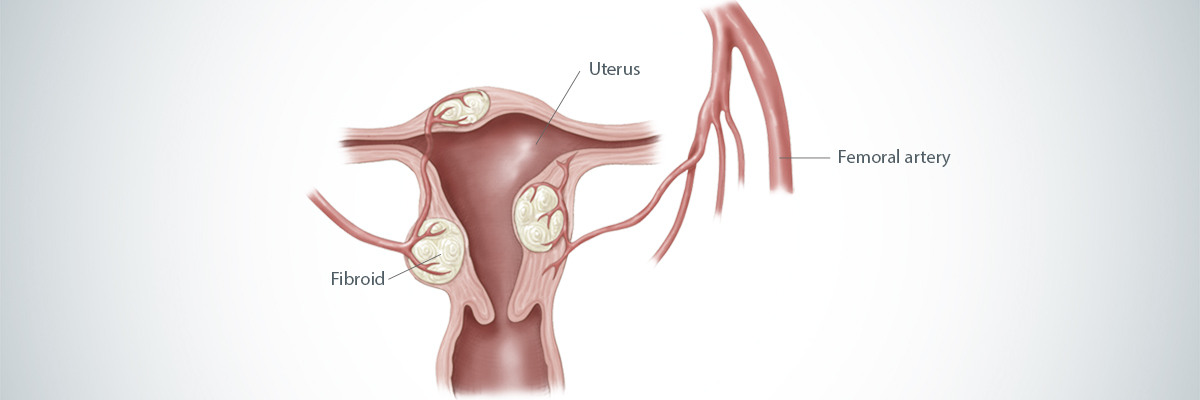
Uterine fibroids (also known as leiomyomas) are benign (non-cancerous) tumours, that can be found in the smooth muscle layer (myometrium) of 20 to 40 per cent of women aged 35 and older. These tumours are in most cases asymptomatic, but can in extreme cases lead to a number of symptoms, including:
Heavy periods
Issues with urinary frequency and retention
Fertility and pregnancy problems
Abdominal discomfort and bloating
Constipation
Backache
Painful sexual intercourse
Uterine Fibroid Embolisation (UFE) is a medical procedure performed by an interventional radiologist to block the blood supply to fibroids that have formed in the uterus. This procedure is minimally invasive and also known as Uterine Artery Embolisation or UAE.
Please Note: Other common names used to refer to this condition include uterine leiomyoma, myoma, fibromyoma, and fibroleiomyoma.
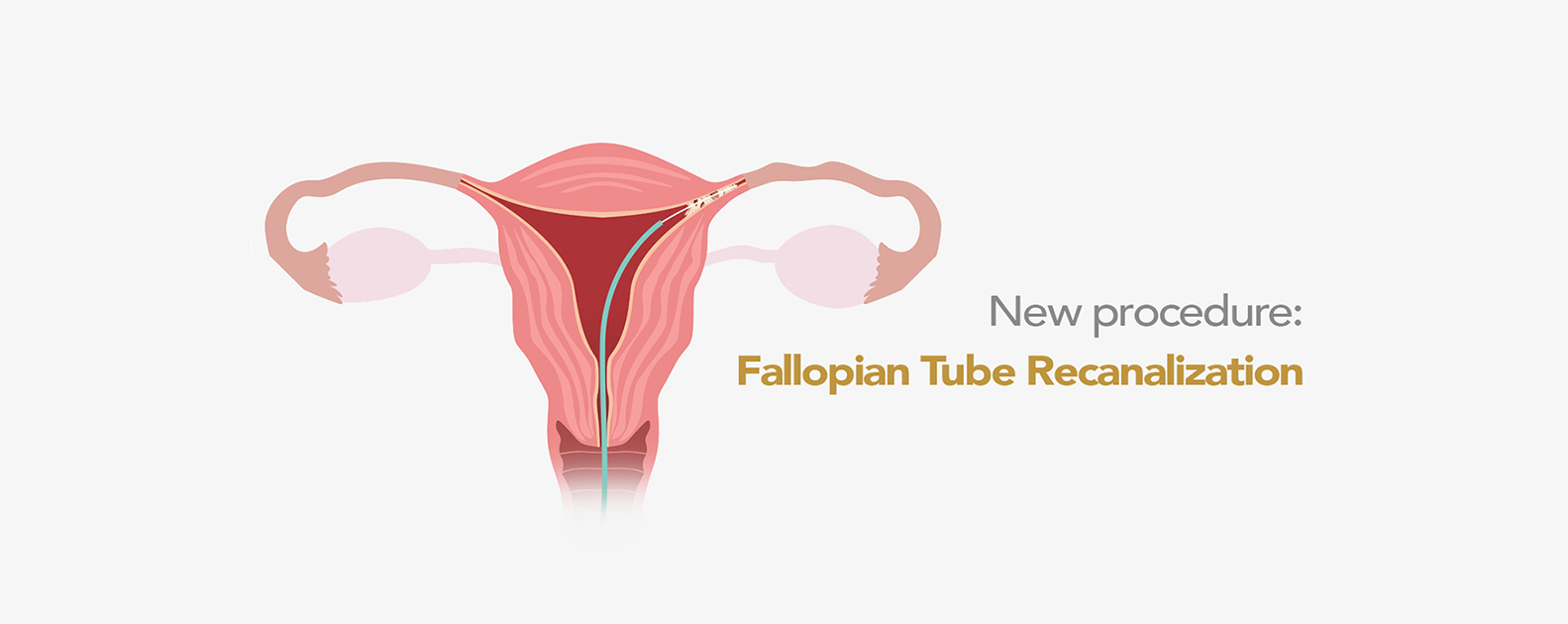
The Microsurgery offers Fallopian Tube Recanalisation (FTR) procedure for the treatment of blocked fallopian tubes.
The fallopian tubes are an important part of female fertility and represent the passageways for the female’s eggs to travel from the ovaries to the uterus. After the ovary releases an egg, it travels into the fallopian tube. When the sperm travels up into the fallopian tubes it fertilises the egg. The resulting embryo is transported to the uterus for implantation and for the pregnancy to continue.
This is a nonsurgical procedure to clear blockages in the fallopian tubes, part of a woman’s reproductive system. Recanalisation is the medical term for “reopening.”
A blockage can result from scarring (from previous surgery) or a build-up of debris within the fallopian tubes from pelvic infection.
To determine whether your fallopian tubes are blocked, your doctor may suggest a laparoscopy or a hysterosalpingogram (HSG). During the HSG examination, a liquid dye (that is visible on X-rays) is inserted by a small catheter through the vagina (cervix) into the uterus. X-rays are then taken to see if there is a blockage. If the dye flows freely into the abdomen then the fallopian tubes are not blocked.
Because the procedure can be uncomfortable, it is done under general anaesthetic.
A speculum is then placed in the vagina and then a small plastic tube (catheter) is placed through the cervix into the uterus.
A liquid dye called ‘contrast’ is then injected through the catheter to fill and examine the uterine cavity and fallopian tubes (to assess if one tube or both are blocked). If a fallopian tube is blocked there is no passage or spillage of dye into the abdominal cavity.
If a fallopian tube is found to be blocked a small, soft microwire is threaded through the fallopian tube to clear the blockage.
There are many causes of infertility, blocked fallopian tubes being only one possible cause. If you are struggling to fall pregnant we recommend an appointment with your gynaecologist or fertility specialist for a comprehensive evaluation to diagnose the cause. Please let us know if we can guide you to find a doctor in your area.