par Senny | Oct 30, 2020 | Adenomyosis, Fact Friday, fibroids treatment, fibroids, Uterine Fibroid Embolisation
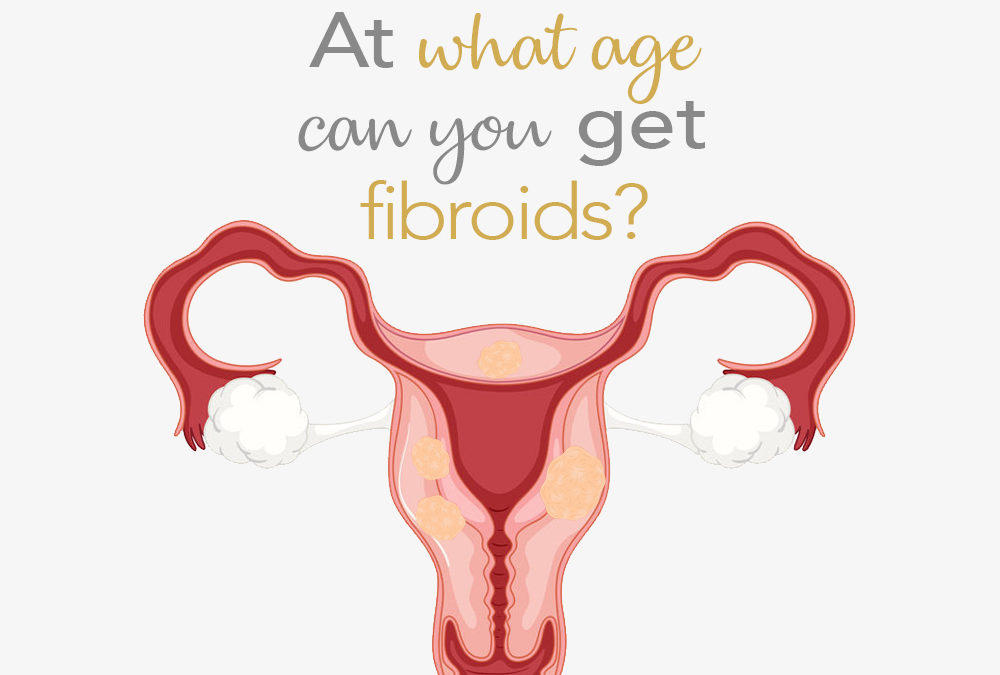
Uterine fibroids are no longer reserved for women over the age of 40. Fibroids can develop anytime throughout a woman’s childbearing years, being between 16 and 50, when oestrogen levels are at the highest in the body. However, the most common age for fibroid...
par Senny | Sep 30, 2020 | Fact Friday, fibroids treatment, fibroids
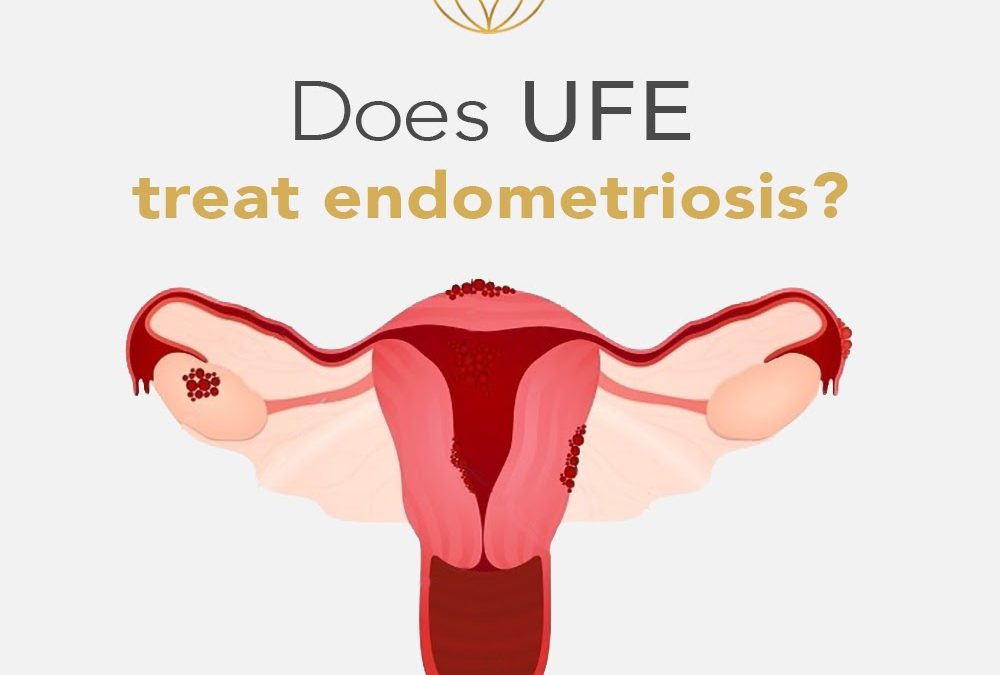
Q: Does UFE treat endometriosis? A: Unfortunately not. Endometriosis often gets confused with fibroids and adenomyosis, however, they are not the same thing. Here’s why: 👉 Endometriosis happens when the tissue that normally lines the uterus, starts to grow outside the...
par Senny | Juin 26, 2020 | Fact Friday
Uterine fibroids can grow very slowly or enlarge quite rapidly, with the average fibroid growing around 1 cm per year. They may remain the same size for years, shrink on their own, or disappear after pregnancy. If you’d like to learn more about permanent,...
par Senny | Juin 26, 2020 | Fact Friday
Ovarian cysts and fibroids have many of the same symptoms, but they are not the same thing. In general terms, fibroids consist of dense tissue and occur only in the uterus, while cysts form can occur in many other areas of the body and are fluid-filled. If you’d like...
par Senny | Juin 26, 2020 | Fact Friday
Fibroids are much less likely to recur after UFE than after surgery. This is because the particles reach all of the fibroids present in the uterus, even tiny nodules that may be too small to spot, are treated during the procedure. If you’d like to learn more about...
par Senny | Juin 26, 2020 | Fact Friday
Uterine fibroids usually need treatment when symptoms become so severe that they start to affect your daily activities and quality of life. Warning signs can include: 👉 Anemia from bleeding 👉 Ongoing lower back pain or pressure in the lower belly 👉 Trouble getting...